

So many different aspects go into interior design. Things like color, light and spatial arrangement are all integral and must be carefully considered when putting together an interior space.
The materials you use are arguably the most important part of interior design. Different materials can be used to create various visual looks and establish certain moods and atmospheres and they can significantly influence the overall feeling of a home or a room.
There is one material that offers homeowners an unparalleled number of benefits: wood. Wood is a truly timeless choice of material for interior design. It comes with a range of both aesthetic and practical advantages and is versatile enough to be used in both modern and traditional spaces.
Wood can come in a range of different colors, textures and tones. How important is it to match these in your home décor? Let’s find out.
Bring Nature Inside
Interior design trends often seem to swing between the rustic and the luxurious. And don’t get us wrong, sometimes rustic can be luxurious. In fact, some of the best trends mix the two.
From our perspective, the most enduring and beautiful designs for any home are the ones that incorporate some elements of nature, and using wood is the easiest way to bring nature inside. It can help calm our minds and instill a sense of peace and tranquility.
What could be more relaxing than being surrounded by natural materials? Wooden bedroom sets can make our homes feel like we’re sleeping in a cozy log cabin hidden deep in a remote forest. Stone walls are taking off, even if you have to fake them, as well as marble counters, “clay” colours that are somewhere between muted orange and pink, and of course wooden décor, which goes with just about anything.
There are plenty of examples of designs that are improved by bringing nature into the space. For example, minimalism might be on its way out right now, but that’s because it’s rarely done right. People worry that their space will feel empty and cold, but if you take tips from Asian-inspired minimalism you can avoid these problems.
Asian-inspired minimalism makes a point of introducing at least one piece from each of the 5 elements into a home: wood, water, fire, metal and earth. Two candlesticks or a fireplace could be used to represent fire. A room could incorporate a water feature and wood furniture, some clay pots to represent earth, and maybe some wind chimes to bring some metal into the space.
If you think white is simply too harsh, explore other neutrals like deep brown, clay beige and muted greens to paint your walls with nature in mind. All of it can be enhanced by wooden floors, finishes and pieces that can come rustic and mismatched or painted black as a set for high contrast.
One of the great design advantages of wood is that not all wood is the same. Each type offers differing degrees of aesthetic effect. Even different samples of the same kind of wood can come in various different colors, shades and tones.
Take inspiration from “boho” or cottage designs and easily create an atmosphere that makes you feel safe, warm and in your element. To put the finishing touches on your biophilic design, put your plant babies front and centre and bring the outdoors indoors.
Do Wood Tones Need to Be Matched?
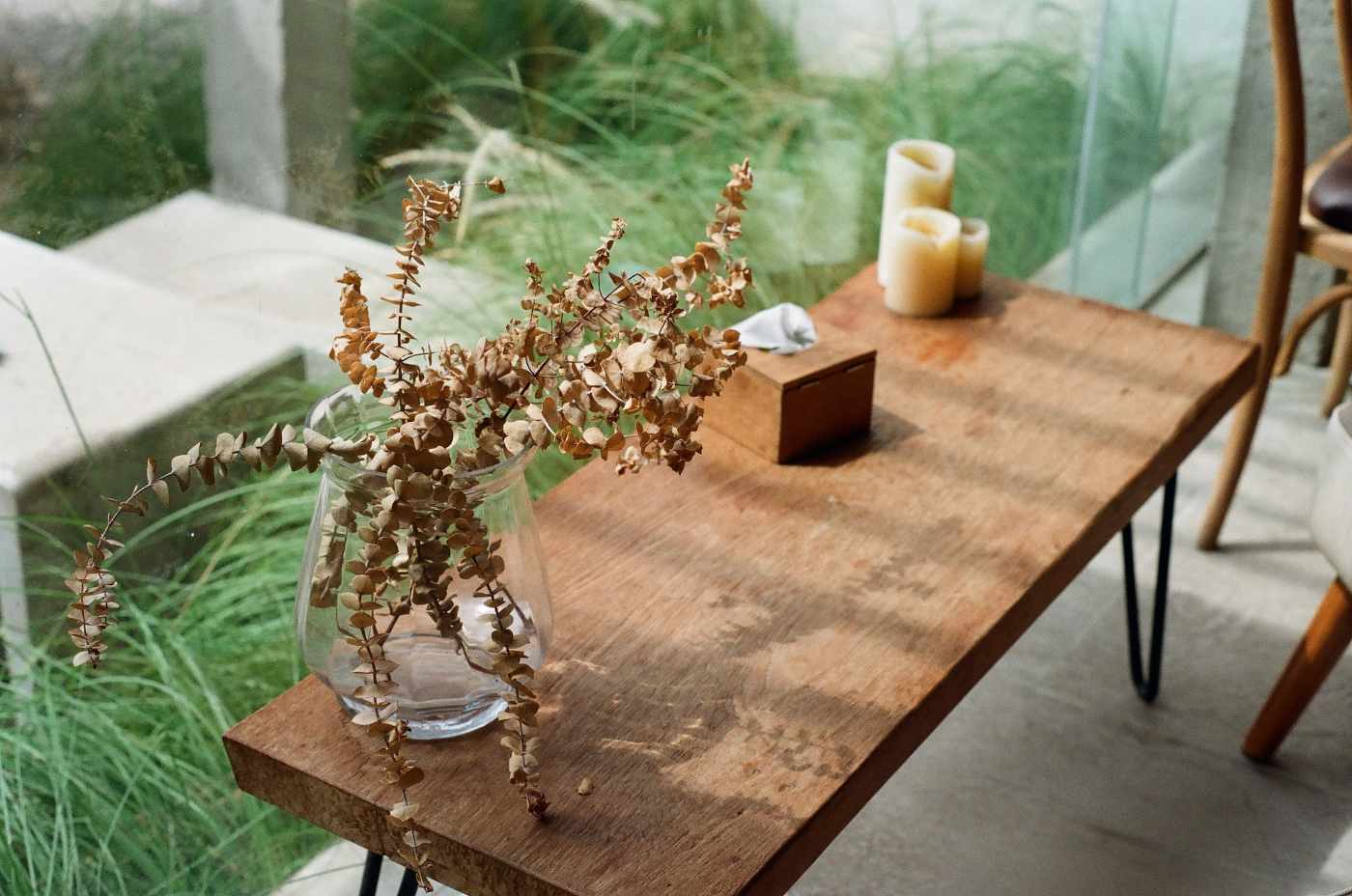
A color clash can be a complete eyesore and can immediately ruin what could otherwise be a perfectly designed interior space. Our eyes and brains perceive colors in very particular ways, making some combinations satisfying to look at, while others can repel us and make us feel anxious and uneasy.
However, one of the biggest benefits of wood is that using it in combinations rarely, if ever, causes the kind of clashes you could see when using solid colors.
Despite the incredible variety of tones, wood is actually relatively neutral and should work to fit with whatever other colors or tones are present in your home. Combine it with green to boost the feelings of being in a forest space, or pair it with reds and golds to create a true sense of opulence and luxury.
Wood tones can often be warm or cold, and many can have undertones with colors including reds and yellows. Every piece of wood is unique, so take the time to examine the materials you are using and identify the particular colors and tones you can see.
Mixing and matching these can create interesting contrasts and complementing color palettes. Experiment with what you have and see what kind of arrangement works best.
Don’t just think about the visual aspect of your material either. Wood is a highly textural material, and different types can be combined to create engaging textural contrasts. Rough, unfinished wood can effectively complement highly polished, treated wood materials, creating a fascinating juxtaposition that will add life and character to your interior space.
In a world where we’re all becoming a little more thrifty and a little more aware of the impact of fast fashion and fast furniture, a reclaimed, imperfect floor or a mismatched furniture set is not only not a problem, but all the rage. It adds a little something to the room, be that a full blown statement or simply some variety in a room that would otherwise be rather monotone.
Conclusion
Planning and designing home décor requires you to consider a number of factors. Some you consider immediately and others, a little later. The types of material you use will determine your home’s overall style and can be used to create various visual impressions.
Wood has long been a popular choice and will certainly continue to be for many years to come. It is highly prized for its affordability, durability and flexibility, as well as its incredible visual appearance.
One of the biggest advantages wood can offer is its neutrality. Despite its incredible variation in tone and color, wood can fit with just about any style or aesthetic palette. Experiment with how you combine wood tones and textures to see what works and what doesn’t in the space you have.
Feature image: Vlada Karpovich; Image 1: Duy Vo


